
Welcome to our comprehensive guide on understanding type 2 diabetes treatment. In this resource, we'll discuss essential factors to consider when managing type 2 diabetes, including lifestyle modifications, medication options, monitoring techniques, and expert advice.
Lifestyle Modifications
Diet
A balanced diet rich in whole grains, fruits, vegetables, lean proteins, and healthy fats can help manage blood sugar levels and promote overall health. Consider working with a registered dietitian to develop a personalized meal plan tailored to your dietary preferences and health goals.
Exercise
Regular physical activity is crucial for managing type 2 diabetes. Aim for at least 150 minutes of moderate-intensity aerobic exercise per week, along with muscle-strengthening activities on two or more days per week. Consult with a healthcare provider before starting any new exercise program.
Weight Management
Achieving and maintaining a healthy weight can improve insulin sensitivity and reduce the risk of complications associated with type 2 diabetes. Incorporate healthy eating habits and regular exercise into your routine to support weight loss or weight maintenance goals.
Medication Options
Oral Medications
Several classes of oral medications are available to help lower blood sugar levels in individuals with type 2 diabetes, including:
- Metformin
- Sulfonylureas
- DPP-4 inhibitors
- SGLT2 inhibitors
- GLP-1 receptor agonists
Injectable Medications
For individuals who require additional blood sugar control, injectable medications such as insulin or GLP-1 receptor agonists may be prescribed. These medications are administered via injection and can help improve glycemic control when used in conjunction with diet and exercise.
Monitoring Techniques
Blood Sugar Monitoring
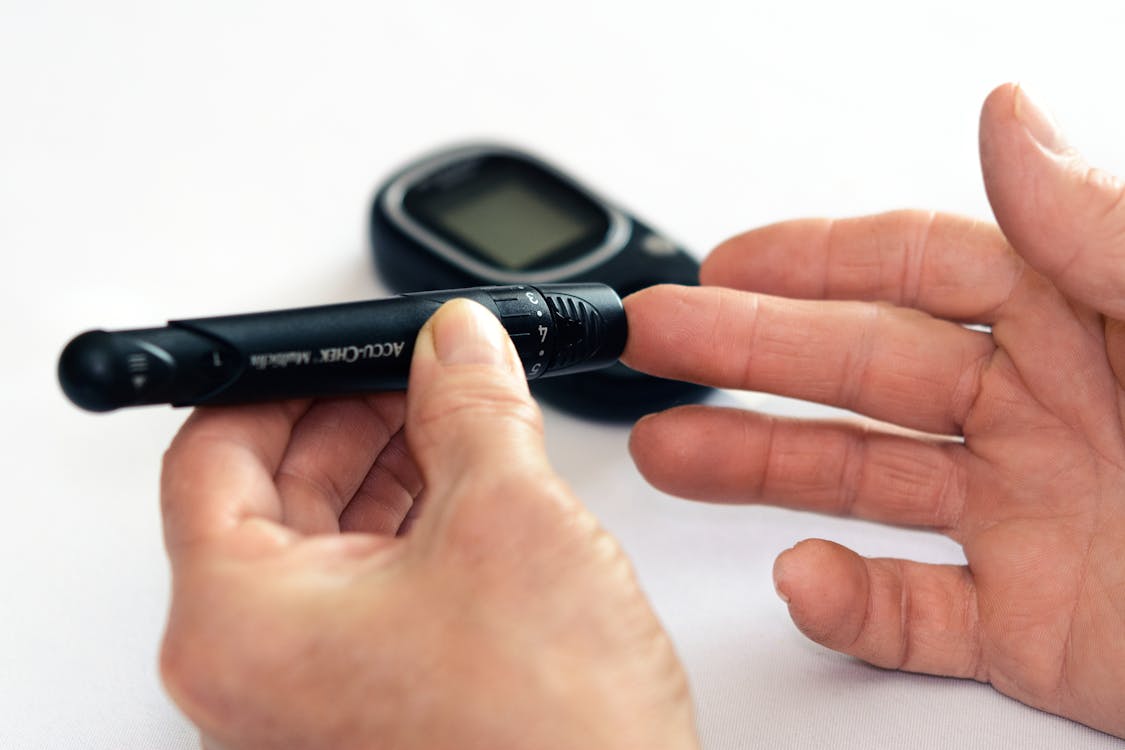
Regular blood sugar monitoring is essential for managing type 2 diabetes and making informed treatment decisions. Use a blood glucose meter to check your blood sugar levels regularly, and keep track of your results to identify patterns and trends over time.
A1C Testing
A1C testing provides a snapshot of your average blood sugar levels over the past two to three months. Aim for target A1C levels as recommended by your healthcare provider to reduce the risk of diabetes-related complications.
Expert Advice
Healthcare Provider Guidance
Work closely with your healthcare provider to develop a comprehensive treatment plan tailored to your individual needs and preferences. Discuss any concerns or questions you may have about your diabetes management, and follow your provider's recommendations for medication use, lifestyle modifications, and monitoring techniques.
Diabetes Education Programs
Consider participating in diabetes education programs or support groups to gain valuable knowledge and skills for managing your diabetes effectively. These programs can provide practical tips, emotional support, and resources to help you navigate the challenges of living with type 2 diabetes.
Conclusion
Managing type 2 diabetes requires a multifaceted approach that encompasses lifestyle modifications, medication options, monitoring techniques, and expert guidance. By addressing each of these essential factors and working closely with healthcare providers, individuals with type 2 diabetes can achieve better blood sugar control, reduce the risk of complications, and improve overall quality of life.